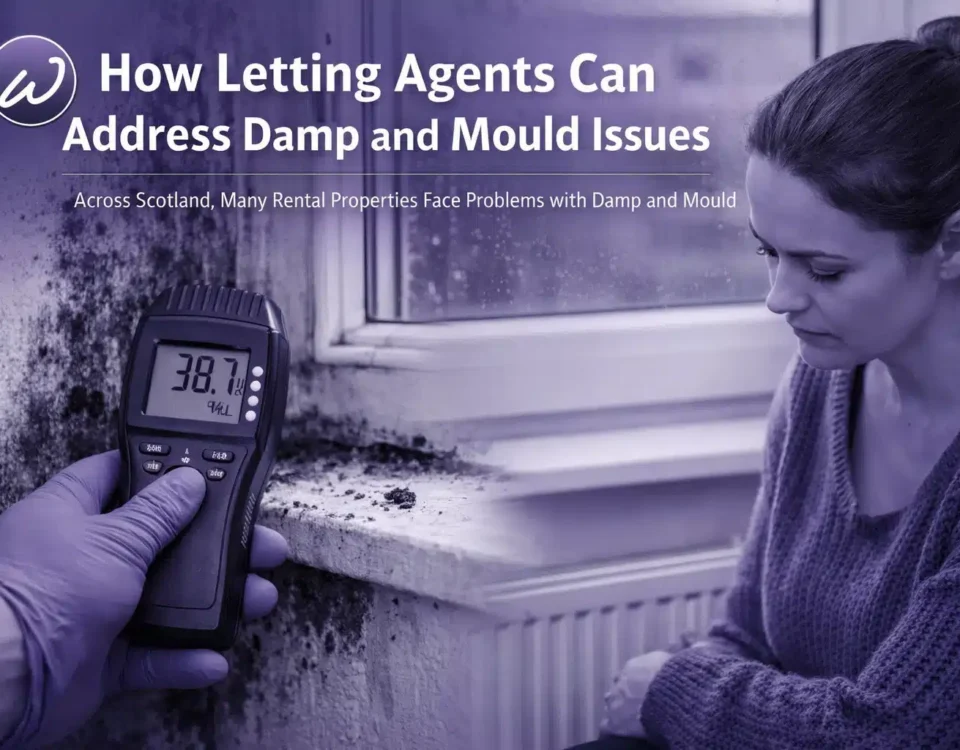


There are some innovative approaches that might be really effective in preventing condensation inside your home. Below is a list of 9 proven methods for preventing condensation and black mould in your home, which can help reduce dampness.
What causes condensation in your home
People generate moisture in their daily activities. Condensation is caused by daily activities such as bathing, cooking, drying clothes on radiators, showering, and breathing. All of these actions increase the property’s relative humidity, which is the amount of moisture in the air.
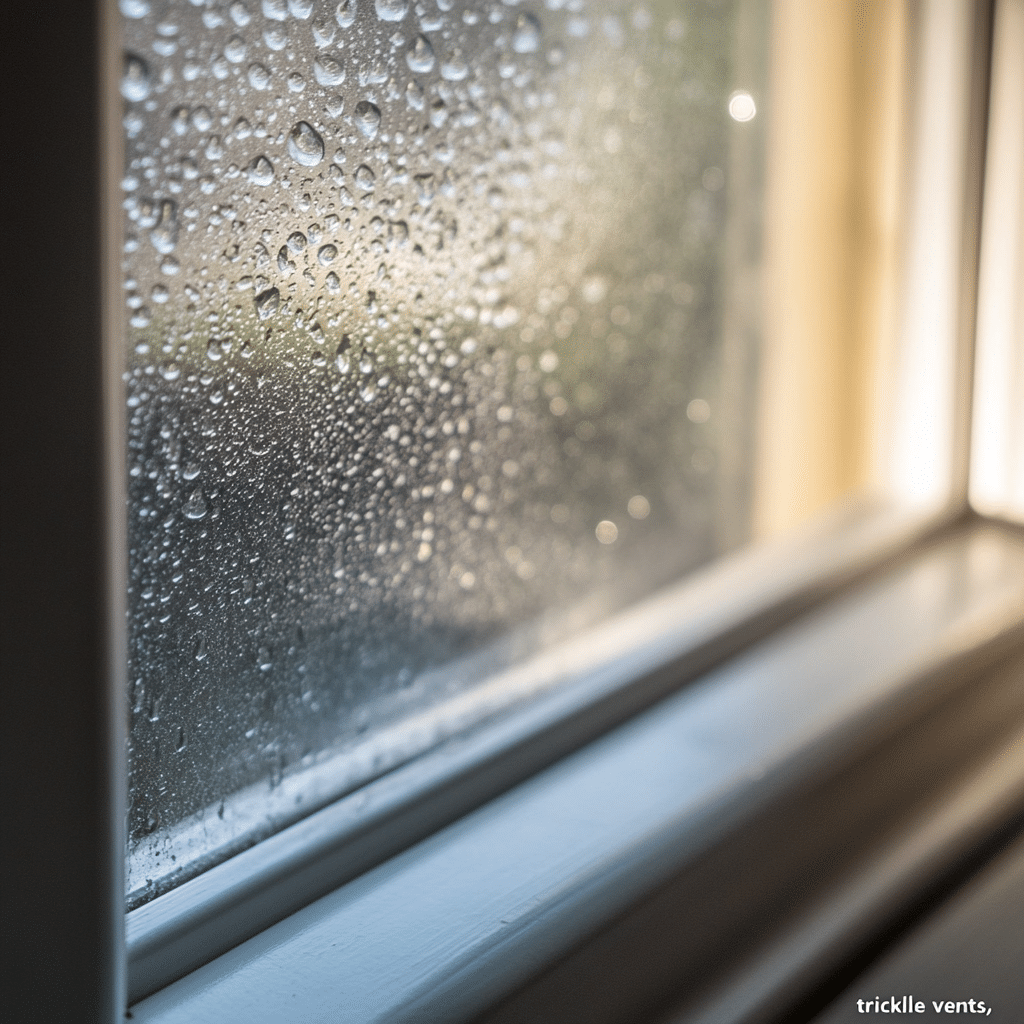
Even though these actions don’t always cause problems when the moisture forms, any high moisture that remains in the air can cause condensation on cold surfaces like windows, mirrors, and exposed exterior walls once the property cools down at night.
As a result, it is essential to keep a consistent temperature and properly ventilate your home to help reduce the risk of condensation problems. However there are some simple hints and tips to reduce moisture and humidity in your home to stop condensation forming

Below are proven ways to reduce condensation in your home
1. Simple cooking precautions
Simple measures such as keeping saucepan lids on and not allowing kettles to boil help limit the level of moisture in your home’s air. If you have an extractor fan, using it will help eliminate moisture and reduce the likelihood of condensation in your property. It is worth mentioning that an extractor fan should be kept running for around ten minutes after cooking to remove any remaining moisture in the air.
2. Put some distance between furniture and walls
Maintaining a little distance between furniture and walls might help improve airflow, reducing the risk of damp and mould. This prevents stagnant moisture from accumulating behind units and other things, which might lead to condensation and mould over time.
3. Improved ventilation by opening the window
Condensation is less likely to happen if you improve the air movement throughout your house. If you open a window this will help to remove moisture-laden air. Most replacement windows now have perma vents, often known as “trickle vents,” which should be kept open during high moisture conditions. Even just a small amount of air entering your home freshens the air and causes it to circulate about in your rooms.
4. Keep the airway clean
Air vents are installed on the property for a purpose and should be kept clear and clean to enable air to flow through. Common blockages include decking erected against air bricks, which prevents air movement, and plants that grow over the vents, increasing the likelihood of condensation. These vents may be covered if the exterior ground level is raised to provide a patio, potentially leading to damp issues in the external walls.
5. Dry clothes outside
To avoid increasing amounts of moisture in your home, dry your clothes outdoors whenever possible. If there are no other options for drying clothes inside, do so in a room with a closed door and enough air movement. Spin dryers should be self-venting or vented to the exterior of the home to prevent the accumulation of warm air and excess moisture. Lots of individuals use moist dehumidifiers to dry clothes since they may temporarily reduce relative humidity.
6. Changing Bathroom Habits
Perhaps the worst rooms in a house for greater moisture content are the bathrooms. To prevent condensation formation, switch on extractor fans when bathing or showering and let the windows open afterward. Leaving the bathroom door closed will also help to prevent moisture-laden air from spreading to other sections of the home, which can contribute to damp and mould.
7. Controlling the temperature
Heating is just as important in condensation management as ventilation, especially during the winter, to prevent the build-up of moist air. By reducing the temperature by a few degrees while keeping the heating on, you can regulate the temperature in your home and allow your boiler to operate more efficiently. This will not only help to prevent condensation, but it will also decrease your heating costs because the boiler is working more effectively, reducing excess moisture.
8. Install double-glazed window and insulation
You could significantly reduce the amount of heat loss in your home and, therefore, reduce the amount of condensation in your property by installing new double-glazed windows and adding more insulation to your loft.
9. Cover the fish tank
The amount of water vapour that enters the environment from a fish tank may be significantly decreased with a simple cover. This small change can help to reduce condensation in the home.